Leadership on the Home Front: A Family Mission
April 21, 2026 | By Savannah Stephens
THE FIRST ACT OF LEADERSHIP
“I protect the family.” These words from my favorite singer go through my head every time I stand in front of a room of military spouses and children preparing to brief them on the things they should—and shouldn’t—say about their significant other’s deployment.
The air in the room is always the same—thick with a mixture of love, anxiety, and the unspoken questions that hang heavy between loved ones. My role as a Public Affairs Officer often places me in unique situations. I’m there both to acknowledge the difficulties they’re about to embrace and to discuss the operational security (OPSEC) concerns that can come with posting photos, sharing details on social media, and accepting that some things need to be left unsaid in conversations.
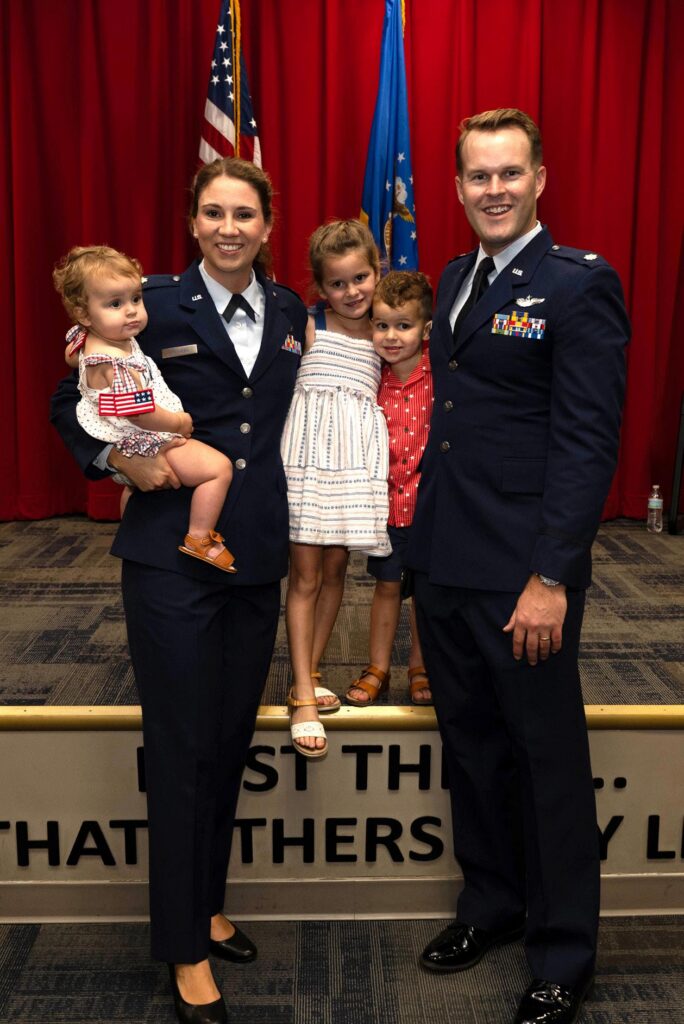
As I scan the room, I think of my own roles as a military spouse, member, and mom. I feel the weight of having been on the other side of the podium, preparing to say “see ya’ later” to my husband. I remember what it was like when, getting ready to deploy when I was active duty, I was the one saying goodbye to our one-year-old daughter. While the service member’s mission is on the frontline, the family’s mission begins on the home front. It’s a quiet, often thankless task, but efforts on the home front are direct contributions to the unit’s safety.
EMPOWERING THE LEADER WITHIN
Once the bland OPSEC rules have been laid out and the chocks have been pulled, the true test of leadership begins. The sudden weight of solo-parenting, managing finances, or fixing a garage door that just won’t open can feel overwhelming. But it’s in those spaces that I’ve seen the most incredible transformations.
Leadership on the home front isn’t about just “holding down the fort”; it’s about the entire family building resiliency together.
How do we do this? We allow ourselves to be emotional about time away, deployments, and all the things that military lives can throw our way, while also making the most of it. We embrace the suck and actively use it to make ourselves, our families, and our communities stronger.
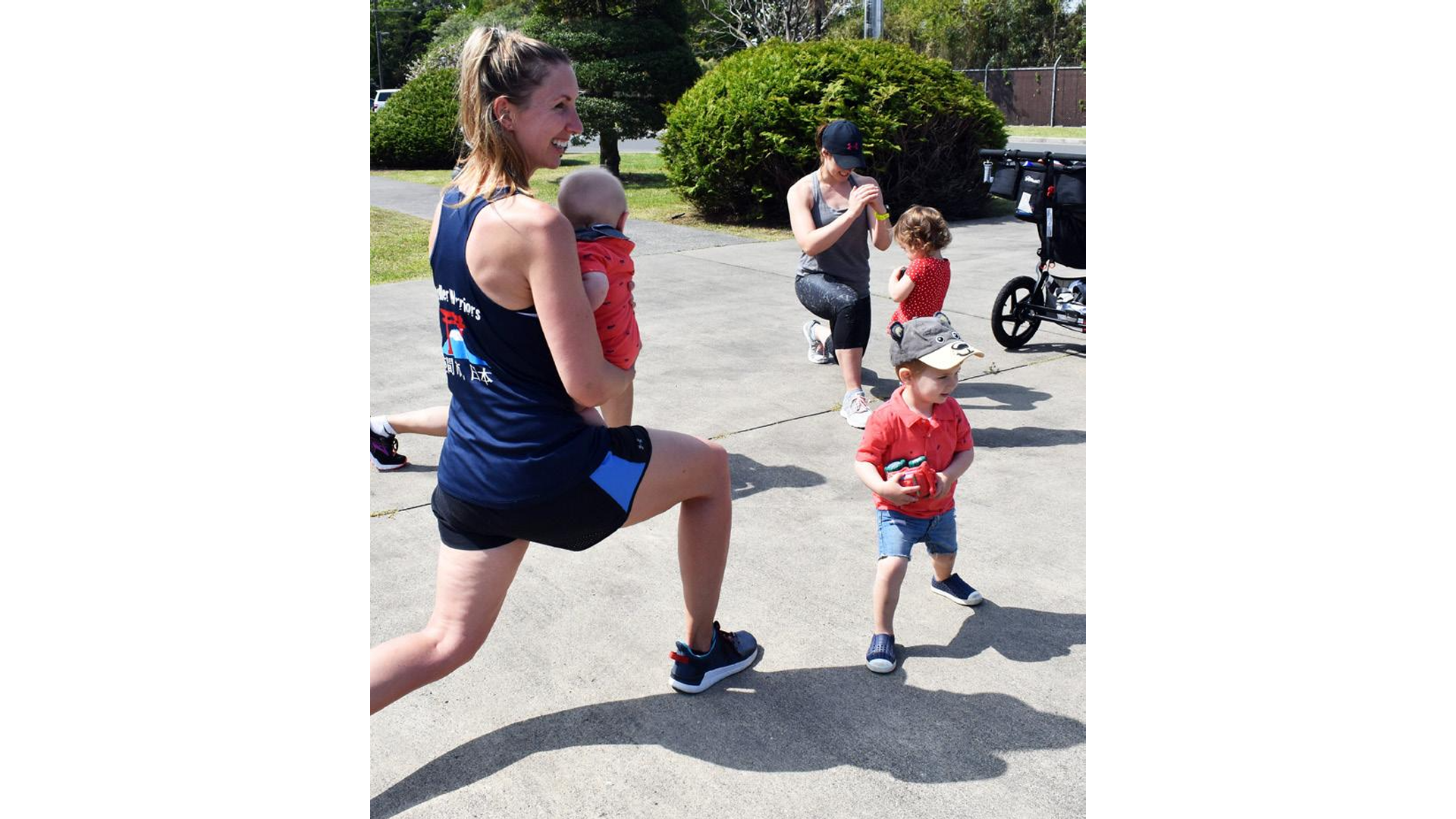
First, find your tribes, both for you and your kids. The military community is a ready-made support system, but you have to choose to use it. How? Active participation. Engagement. It’s easy to isolate and think you’re the only one struggling. Particularly during high tempo periods, it can seem easier to stay within your bubble. Don’t. My life has instantly been better anytime I put myself out there, especially when it’s felt overwhelming. The choice can be simple. Join a local running club, volunteer in the on base thrift shop, plan a play date with other families, or simply check your base’s Facebook page and attend an event hosted by one of the local groups (reading, hiking, sewing, support, parent, dog-owner, etc.).
Simple does not mean easy, I know. As someone who doesn’t like to ask for help—at work or at home—I have to push myself to be vulnerable. I have to go to my small group at church and say that I’m struggling more than I thought I would be. I have to text my mom friend and say that the sleepless nights are really catching up with me. I have to ENGAGE.
Second, support yourself. Empowerment is about personal growth. Luckily for us, a deployment or a rough PCS is but a single chapter in our book, not the whole story. Enroll in that online class you’ve been considering, participate in family fun runs on base, or perhaps attend events put on by the local family readiness center. Whatever it is, do something for you.
These things aren’t just distractions; they are ways to build a support network for everyone in your family who is missing a piece of their heart.
By investing in yourself and your family, you are doing so much more than “passing the time.” You are redefining the narrative of this incredible life we get to live (even in the toughest moments!).
STEWARDS OF THE COMMUNITY
True home front leadership extends beyond the walls of your home. Our military families, and especially our amazing military children, are the unsung heroes of our Armed Forces. My kids have taught me more about myself during my husband’s deployments than I could’ve done alone. They constantly found everyday acts of compassion that bound us closer together. The excitement of coloring another box in on our “daddy’s coming home” chart on the wall or their hugging my leg and saying “I miss daddy, too”—those moments made me realize I was not alone.
Leadership doesn’t always have to be formal or organized. It also doesn’t have to be big actions or grand gestures. In fact, it’s the small things that matter the most. It’s the family who organizes a meal train for a spouse in need. It’s the mom who steps up to provide childcare for a few hours to give someone else a break. It’s the teenager who plays with your kids so you can cook dinner. It’s the phone call answered when you just need to talk to someone who understands and will listen.
Leadership isn’t about age or position but about action and empathy. By being good stewards of our community, military families create positive, supportive environments that allow service members to focus on our nation’s business, knowing their families are thriving, not just surviving.
When I finish my presentation, I look again across the auditorium. My audiences are no longer made up of merely individual spouses and children. Instead, I see the quiet guardians of our communities and the true leaders of the home front. I see people whose mission is just as critical, and their service just as honorable, as the men and women who proudly wear the uniforms of our country. I see the unsung heroes of the home front.
WAYS TO ENGAGE IN YOUR COMMUNITY AS A MILITARY SPOUSE
- Help with meals when someone’s having a tough week
- If a family is dealing with deployment, illness, or a rough season, dropping off a meal or helping organize a simple meal train can lift a huge weight.
- Trade or offer a few hours of childcare
- Watching someone’s kids for an afternoon — or teaming up for a babysitting swap — can give another spouse time to rest, run errands, or just breathe.
- Start small traditions that keep families connected during deployments
- Things like countdown calendars, care-note exchanges, or simple get-togethers remind everyone — especially kids — that they’re not alone.
- Be the person who answers the text or phone call
- Sometimes community looks like picking up the phone, listening without fixing, and saying “I get it — I’m here.”
- Let your kids and teens be part of supporting others
- Encourage older kids to play with younger ones, help neighbors, or pitch in — those small acts build connection and confidence for everyone.
About the author: Savannah Stephens is the spouse of an Air Force pilot, mom of three, and an Air Force Reservist who also serves as an Air Force Public Affairs civilian leader.